Hospital renovations are never just about updating a space.In an active healthcare environment, the work has to happen around patients,staff, visitors, equipment, infection control requirements, and dailyoperations that cannot simply pause because construction is underway.
That is what makes healthcare construction different.
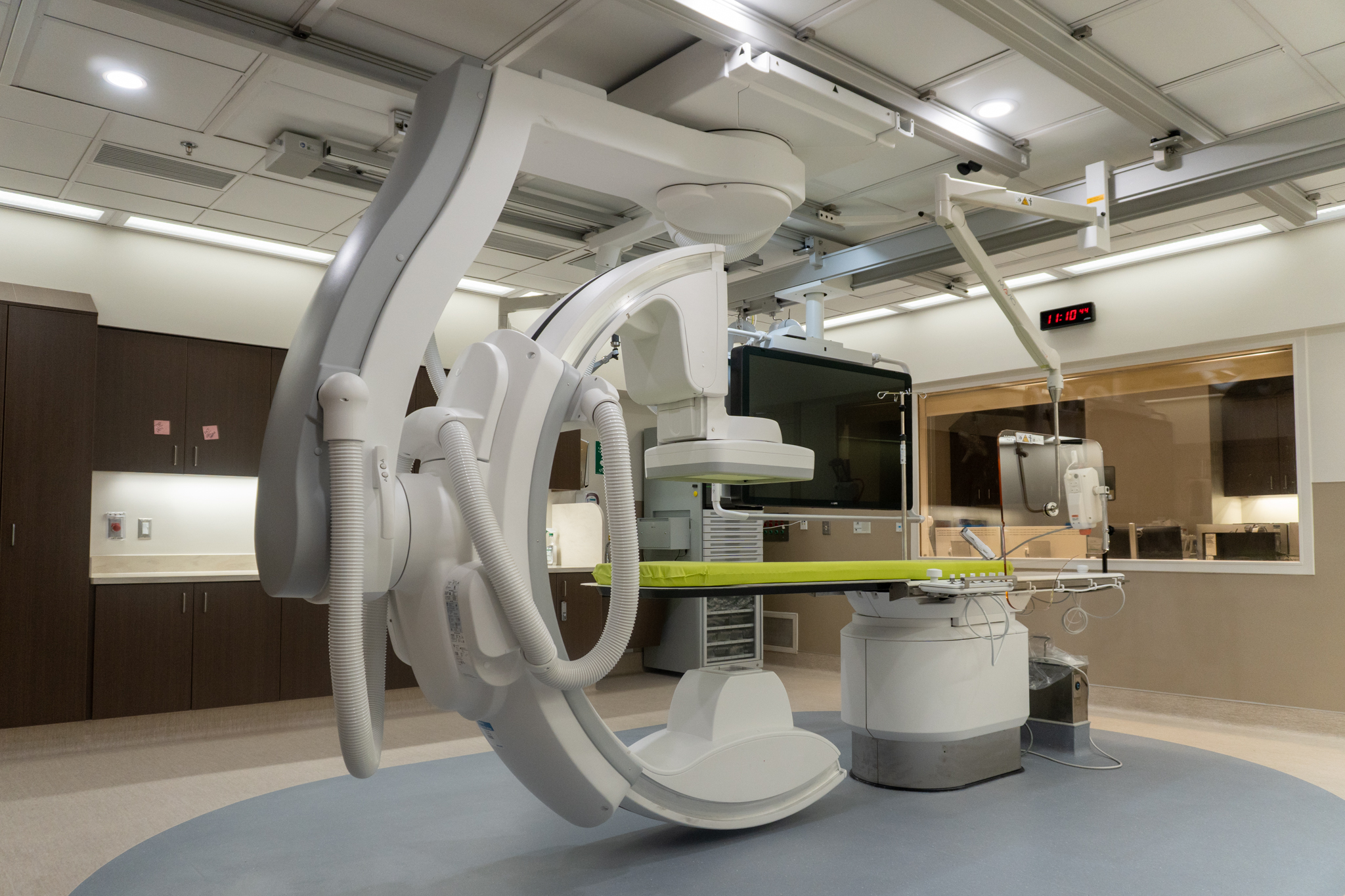
Across the Midwest, hospitals and healthcare systems arecontinuing to renovate operating rooms, imaging suites, clinical treatmentspaces, outpatient areas, and support spaces to meet changing patient needs.These projects are often complex, phased, and highly coordinated because thebuilding is already serving people every day.
For Roncelli, this is the kind of work our teams understandwell. Healthcare construction management takes more than building experience.It takes planning, communication, safety, and a clear understanding of howconstruction activity affects the people working and receiving care inside thefacility.
Building Inside Active Healthcare Environments
Working in an occupied hospital requires a different mindsetfrom day one.
The project team has to think beyond the walls of therenovation area. Construction routes, temporary barriers, noise, dust, utilityshutdowns, equipment deliveries, staff access, patient flow, and life safetyall need to be planned before work begins.
In spaces like operating rooms, imaging suites, and clinicaltreatment areas, those details matter even more. The work may involvespecialized equipment, tight infrastructure, strict finish requirements, andcoordination with hospital operations that are already in motion.
This is where the right healthcare construction contractorscan make a major difference. A successful renovation depends on a team thatunderstands how to keep the project moving while respecting the environmentaround it.
Planning Around Patient Care
On hospital renovation projects, the schedule is important,but so is the way the work is phased.
Many healthcare renovations cannot be completed in one openconstruction area. They may need to be broken into phases so departments cancontinue operating, services can remain available, and staff can adjust totemporary workflows.
That planning often includes infection control precautions,temporary partitions, negative air requirements, utility coordination,off-hours work, and detailed communication with hospital teams. It alsorequires clear expectations around what areas are affected, when work ishappening, and how the project will move from one phase to the next.
The goal is not only to finish the renovation. The goal isto complete the work in a way that supports patient care, protects the hospitalenvironment, and reduces unnecessary disruption.
.jpg)